What the ₹34,999 store includes
- A custom store design, not a stock theme with your logo dropped in
- Unlimited product pages, with categories and filters that make sense for what you sell
- Checkout through Razorpay, PayU or CCAvenue, with UPI, cards and net banking
- Stock levels, order emails, invoices and an order screen you can run from your phone
- Product and category pages set up for Google, with product schema
- A blog, for buying guides and the questions customers ask before they order
Domain and hosting are billed at cost, and we tell you the exact figures before you start. The domain, hosting, store and every login are registered in your name.
Your own store or a marketplace?
Amazon, Flipkart and Meesho bring buyers who are already shopping, and for many Delhi sellers they're the right place to start. But every order carries a commission, the customer belongs to the marketplace, and you can't message them again. Your own store keeps the margin and the customer. Most of the sellers we work with keep both: the marketplace for volume, their own site for repeat buyers, wholesale enquiries and higher-value orders.
WooCommerce or Shopify
| WooCommerce | Shopify | |
|---|---|---|
| Monthly platform fee | None; you pay for hosting | Shopify's monthly plan |
| Hosting and security | Your hosting, kept updated by us or your team | Handled by Shopify |
| Flexibility | Anything can be changed | Changes go through apps and theme code |
| Best for | Catalogues with many variants, B2B price lists, custom rules | Owners who want the platform to handle hosting and updates |
We build on both and recommend one after we've seen your catalogue. A jeweller who prices by gold weight needs different rules from a boutique selling sizes S to XXL.
The rules your product pages have to follow
Selling online in India brings a few legal requirements that a store must show, and we build them into the templates rather than leaving them to you:
- Legal Metrology declarations for packaged goods: manufacturer or packer name and address, country of origin, common name, net quantity, MRP, best-before date where it applies, and size or dimensions. The fine under Rule 32 of the Packaged Commodities Rules runs up to ₹5,000.
- The Consumer Protection (E-Commerce) Rules, 2020: your seller details, a grievance contact, return, refund and cancellation policies, and no pre-ticked boxes at checkout.
- The DPDP Act: the main notice and consent duties under the Digital Personal Data Protection Rules, 2025 apply from 13 May 2027. We build the checkout and account forms with a clear notice now, so you won't have to rework them later.
None of this is legal advice; your CA or lawyer should check the final policies. But a store that's missing these is a store that can't safely run ads or join some marketplaces.
How a Delhi store project runs
- Catalogue call. We go through what you sell, how you price it, how you ship and how you take returns.
- Sample products first. Five products are built and photographed properly before the other five hundred, so the template is right.
- Payments and shipping. Payment gateway, shipping rates and pin-code rules are set up and tested with real orders.
- Launch and handover. We train whoever adds products and runs orders, and give you a written list of every login.
Getting found
A store with no visitors is a warehouse. Product and category pages are set up for search from the start. If you want ongoing ecommerce SEO after launch, that work runs through Seospidy, from ₹25,000 a month.
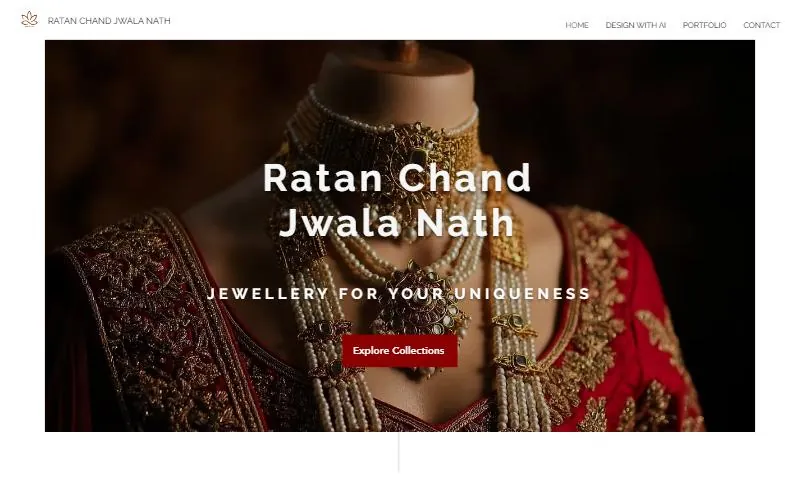 RCJN Jewellers
 Arkwinit
 Microbase Equipments
 Dream Realms